SoJob
SoJob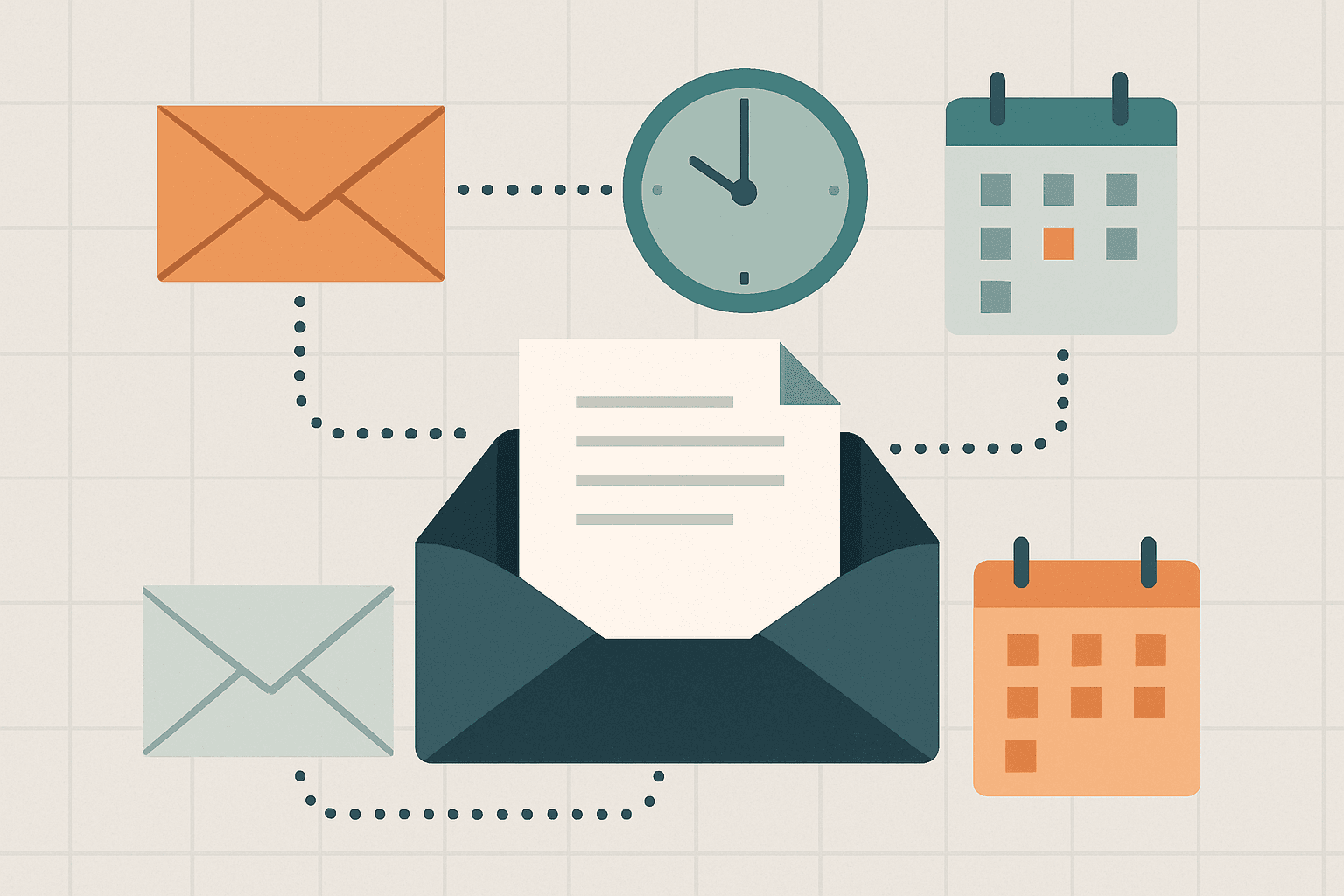
Following up after you apply can nudge a hiring team to look more closely at your materials, but the right timing and tone matter. Many hiring teams review applications on a schedule or rely on recruiters, so a short, professional follow-up can be helpful when done thoughtfully.
Timing: when to wait and when to act
If you received an automated confirmation or the posting included a clear timeline, wait until that timeline passes before following up. If there was no timeline, a common window is seven to ten business days after you submit. That gives time for initial screening while avoiding an early or unnecessary message.
There are exceptions: if you have a personal referral, you can ask the ref to mention your application after three to five business days. If the job posting indicates an imminent close date or interviews are starting quickly, follow up sooner and keep the message briefer.
How to write a concise follow-up message
Keep follow-ups short, specific, and action-oriented. A useful structure is: one line reminding them who you are and the role, one line highlighting a relevant achievement or skill, and one line asking about next steps or whether they need anything else. Avoid attaching new documents unless requested.
- Subject: Follow-up on Application for Marketing Manager — "Hi [Name], I applied on [date] for the Marketing Manager role and wanted to check whether you need any additional materials. I led a campaign that increased leads 30% and can share results if helpful. Do you have an updated timeline for next steps? — [Your name]"
- Subject: Quick note on my application — "Hello [Name], I submitted my application for [Role] last week. I'm especially interested because of your work on [project/team]. If you have a moment, could you let me know the best time to discuss this role? Thanks for your time. — [Your name]"
- Message to a ref or internal contact — "Hi [Name], thanks again for the referral. I applied on [date]; if you have a moment, could you mention my application to the hiring manager or recruiter? I’m happy to share a one-paragraph summary of how my experience maps to the role. Appreciate any help. — [Your name]"
Channels and tone
Email is the default channel when contact details are available; keep messages professional and brief. A short LinkedIn message can work if you already have a connection or the job lists a recruiter and email isn’t available. Avoid public comments or aggressive follow-ups that could appear unprofessional.
Use a polite, confident tone: assume the person is busy and state your purpose clearly. Avoid phrases that sound apologetic or entitled. A light, helpful offer—such as "I can share a one-page summary of relevant projects"—keeps the exchange constructive.
If you don't get a response
Limit yourself to two follow-ups after your initial application: one after your chosen waiting period, and a polite final check a week later if warranted. Many roles will never receive a reply, so treat a lack of response as a cue to move on while keeping the door open for future contact.
If you later see a role re-opened or a related position posted, you can apply again and reference your earlier application briefly. That shows continued interest without repeating the same follow-up messages.
Practical tracking and reminders
Track each application’s date, contact, and follow-up attempts in whatever system you use—calendar, spreadsheet, or an application tracker. Many people find a simple log reduces duplicate messages and helps prioritize follow-ups for roles where you have a referral or a specific timeline.
Following up respectfully is a small time investment that can improve visibility for roles you care about, but it’s not a substitute for consistent applying and networking. Use concise messages, respect stated timelines, and keep records so each follow-up is purposeful.
If you use SoJob’s application tracking, you can set follow-up reminders and keep your messages consistent.