SoJob
SoJob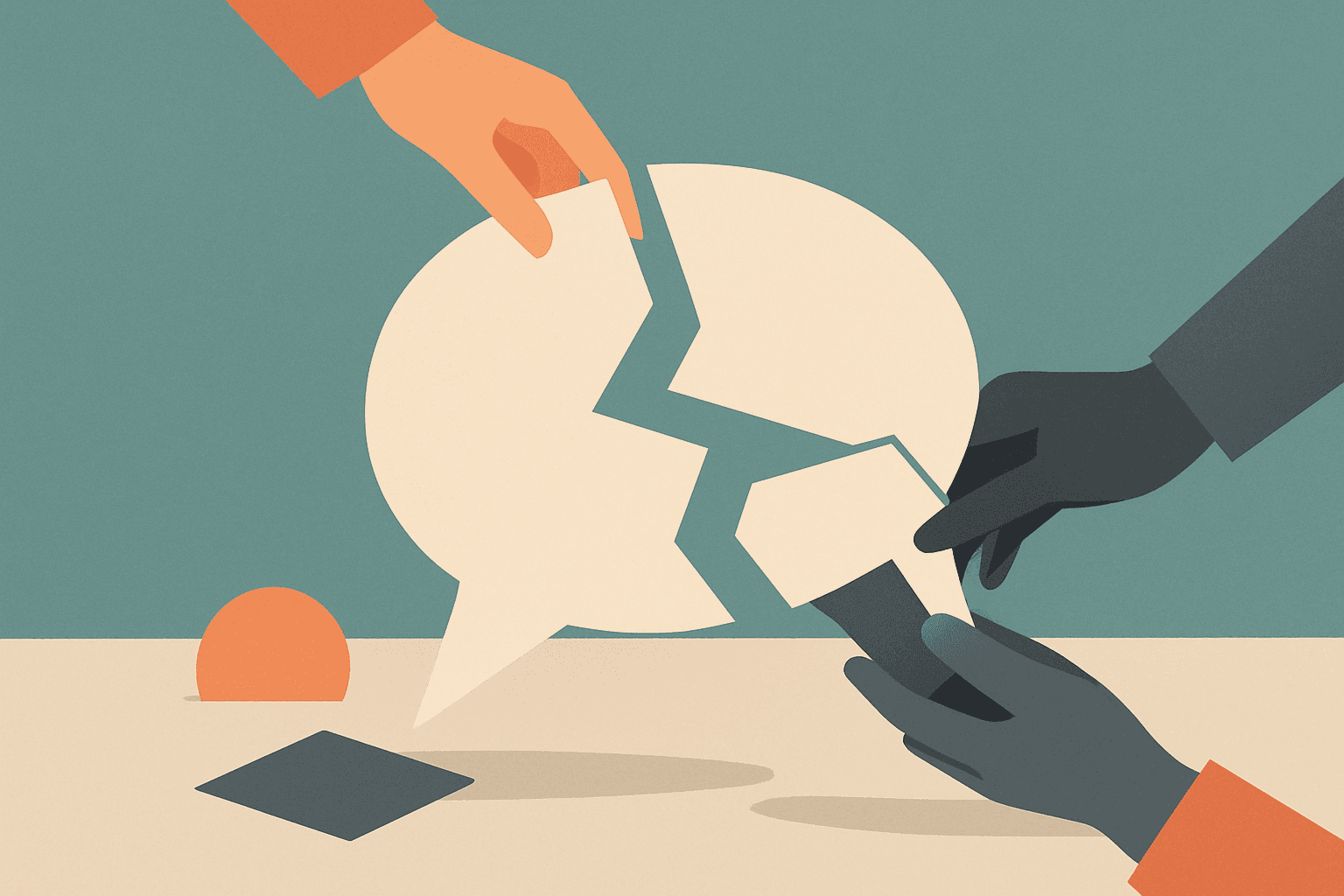
Everyone makes a slip in interviews — a flubbed answer, a mistaken date, or a nervous blank. How you handle the mistake matters more than the mistake itself. These are practical, low-friction steps you can use during the conversation and immediately afterward to limit damage and leave a stronger final impression.
During the interview: simple moves that reduce impact
Pause and breathe. A short pause (three to five seconds) gives you time to regroup and prevents filler words from multiplying the error. Many interviewers see a calm, collected correction as a sign of competence.
Ask a clarifying question. If a prompt caught you off guard, asking for one quick clarification buys time and often gives you a narrower target to answer. Framing the question also signals active listening.
Use a concise correction formula. Briefly acknowledge the slip, offer the correction, and move on. A fast, clear fix prevents the moment from dominating the rest of the conversation.
- Short correction: “Actually, to be precise, that role was from 2018 to 2020 — the key responsibility there was X.”
- If you lose your train of thought: “I lost my place — may I take a moment to collect the example?”
- When you misspeak about a skill: “That’s a good point — I misspoke; my experience was with Y, and here’s how I applied it.”
- For a technical error: “I gave an incorrect detail. I’ll correct it now and can share a short follow-up note if that helps.”
- If asked an unfamiliar question: “I’m not sure I’ve handled exactly that, but here’s the closest example I can share.”
Nonverbal signals matter. Sit up, make steady eye contact if the format allows, and use an even tone. Many interviewers interpret calm body language as evidence that the candidate can handle pressure.
If you totally blank, use the restart technique: acknowledge briefly and offer a pivot. For example, “I’m blanking on the exact metric — here’s a related outcome we achieved instead.” This shifts the focus to results, which many interviewers value more than exact numbers.
After the interview: correct and close the loop
Reflect immediately. As soon as the interview ends, jot down what went wrong and what the accurate information should have been. That note will guide your follow-up and future practice.
Send a concise follow-up message when correction is needed. Keep it brief, factual, and helpful. Avoid long apologies or rehashing the slip. Your goal is to replace the incorrect detail with the correct one and move the conversation forward.
Example follow-up approach: one short sentence to correct the detail, one sentence to restate the relevant accomplishment, and one sentence to express appreciation. Many hiring managers appreciate a clear correction and an emphasis on impact rather than repeated apologies.
When the mistake affects credibility — for example, a factual error about qualifications — offer evidence you can reasonably provide, such as a concise work sample, a corrected resume snippet, or a short summary of the correct metric. Be ready to deliver that material quickly if requested.
Use the experience as targeted practice. Identify the trigger — nerves, lack of preparation on a topic, or unclear phrasing — and design short drills to fix it. Repeated exposure to the same scenario reduces the chance of repeating the error.
Finally, keep perspective. Many interviewers expect candidates to have a minor misstep; how you respond often influences their overall assessment more than the mistake itself. A clear, composed correction can demonstrate honesty and resilience.
You can rehearse these recovery moves with SoJob's AI interview practice to simulate tricky moments and get targeted feedback.